

Color Shift PPF in Chicago combines two things many car owners normally shop for separately: a dramatic appearance change and a protective film over the original paint. Depending on the film, a vehicle can move between blue and purple, gold and green, bronze and gray, or other tones as lighting and viewing angle change.
Unlike a standard solid-color wrap, color-shifting paint protection film is built around polyurethane PPF technology. The film sits over the original painted surface while its color layer, metallic particles, interference effect, or combination of these elements changes what you see from different angles.
The Detail Dynasty installs Color PPF and paint protection film from its dedicated garage serving Skokie, IL & Chicago’s North Shore. For Chicago drivers who want something less common than black, gray, or another solid color, color-shifting film can completely change the character of a vehicle while adding a sacrificial layer over the paint.
This guide explains how Color Shift PPF in Chicago works, why the color changes, how the original paint can affect the finished look, how it differs from vinyl wrap, what happens when the film gets scratched, and what Chicago road conditions mean for long-term care.
Table of Contents
- What Is Color Shift PPF in Chicago?
- How Does Color-Changing PPF Work?
- Why Does the Color Change at Different Angles?
- Does the Original Paint Color Affect Color Shift PPF?
- Color Shift PPF vs Standard Color PPF
- Color Shift PPF vs Vinyl Wrap
- Does Color Shift PPF Protect Against Rock Chips?
- Does Color Shift PPF Self-Heal?
- Gloss vs Satin Color Shift PPF
- Why Full-Body Coverage Usually Makes Sense
- What Chicago Roads Mean for Color Shift PPF
- How to Care for Color Shift PPF
- Can Color Shift PPF Be Removed Later?
- Which Cars Work Well With Color Shift PPF?
- Color Shift PPF Installation
- Schedule Color Shift PPF in Chicago
- Color Shift PPF FAQs
- Sources
What Is Color Shift PPF in Chicago?
Color Shift PPF in Chicago is paint protection film that changes the visible appearance of a vehicle while still performing the protective role associated with PPF.
Traditional clear PPF is meant to let the factory paint show through with little visual change.
Standard Color PPF changes the visible color to a more consistent shade such as black, blue, green, gray, red, or another color.
Color-shifting PPF adds another effect. Its appearance changes based on:
- Viewing angle
- Direct sunlight
- Shade
- Artificial lighting
- Curves in the vehicle body
- Film construction
- Original paint color on some products
STEK’s DYNOprism is one example. STEK describes it as a multi-tone metallic flake PPF that changes color at different angles and says the appearance can vary with the base paint underneath.
UPPF’s Cobia Magic line takes another approach. The manufacturer describes the line as using color-shifting and interference effects that change as light and motion change.
The exact construction is not identical across every brand.
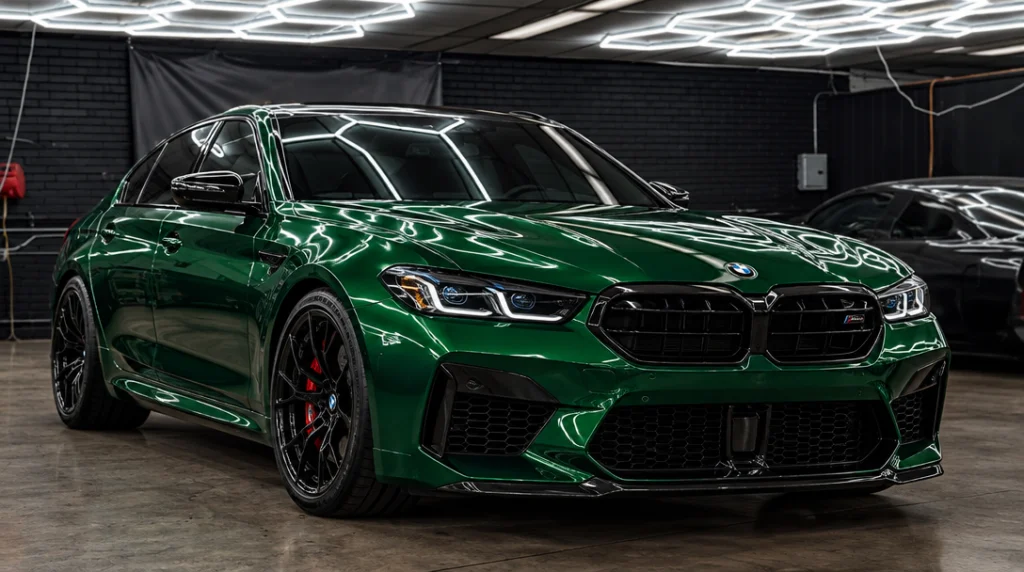
That is worth remembering when comparing Color Shift PPF in Chicago. Two films that both carry a “color shift” description can behave very differently in sunlight.
How Does Color-Changing PPF Work?
There is no single construction shared by every color-shifting film.
Some films create the effect through metallic particles.
Others use interference layers or a dedicated color-function layer.
Some combine several visual effects.
UPPF describes its Cobia Color PPF construction as a multilayer system with a topcoat, thermoplastic polyurethane, a color-function layer, adhesive, and removable production layers.
Its Cobia Magic range uses interference effects designed to show different tones as light and viewing angle change.
STEK describes DYNOprism as a metallic-flake PPF whose appearance shifts depending on viewing angle and the paint beneath the film.
Here is why: light does not hit every part of the vehicle at the same angle.
A hood, door, fender, quarter panel, and bumper all face slightly different directions.
Once color-shifting particles or layers are added, those changing angles can produce different visible tones across the body at the same time.
Why Does the Color Change at Different Angles?
Think about a metallic paint finish in direct sunlight.
As you walk around the vehicle, the highlights change because light reflects differently from each panel.
Color Shift PPF in Chicago can make that effect much more noticeable.
With certain films, the color itself appears to change.
A panel may look:
- Blue from the front
- Purple from the side
- Gold under direct light
- Green at another angle
- Darker in shade
The exact combination depends on the film.
The shape of the car matters too.
A flat door may display one broad tone.
A curved fender can show several shades at once because the film surface is facing the light at several angles.
That is one reason color-shifting film can look especially noticeable on vehicles with pronounced shoulders, flared arches, sculpted doors, and curved bumpers.
Does the Original Paint Color Affect Color Shift PPF?
Sometimes.
This depends on the product.
STEK states that the color-shifting appearance of DYNOprism can change depending on the base color underneath.
That means the same film may not look identical on a white car and a black car.
Other Color PPF products are more opaque and cover much more of the factory paint color.
Before choosing Color Shift PPF in Chicago, ask whether the specific film is:
- Transparent
- Tinted
- Semi-transparent
- Opaque
- Metallic
- Interference-based
Do not rely only on online photos.
Lighting, camera processing, phone displays, and the car’s original paint can all change what you see on a screen.
A physical film sample placed against the vehicle gives you a better idea of how that product may look on your paint.
Color Shift PPF vs Standard Color PPF
Standard Color PPF is usually selected when an owner wants a more consistent new color.
You might choose:
- Gloss black
- Satin black
- British racing green
- Blue
- Gray
- Red
- Yellow
- Bronze
The shade still changes somewhat under light because every glossy or metallic finish does, but the main color stays recognizable.
Color Shift PPF in Chicago is different because changing tone is part of the design.
The film may intentionally move between two or more colors as you walk around the vehicle.
That gives color-shifting film a more noticeable custom appearance.
If you want the car to resemble a factory paint color, a standard Color PPF may make more sense.
If you want the finish to look different every time the light moves across it, color shift film is worth considering.
Color Shift PPF vs Vinyl Wrap
Color-shifting vinyl has existed for years, so drivers may wonder why they would choose PPF instead.
The materials have different purposes.
Vinyl is mainly used to change vehicle appearance.
PPF is built around paint protection.
XPEL’s current Color PPF specifications give a useful comparison. XPEL lists its Color PPF at 8 mil thick and describes traditional vinyl film as roughly 3 to 4 mil.
That comparison applies to XPEL’s products, but it shows why PPF and vinyl should not be treated as identical materials.
Paint protection film is made to take more of the contact associated with:
- Small road debris
- Rock chips
- Minor scratches
- Swirl marks
- Bug exposure
- Road grime
Vinyl wrap remains a good choice when appearance change is the main goal.
Color Shift PPF in Chicago makes more sense when you want the visual change and also want a thicker protective film over the paint.
Does Color Shift PPF Protect Against Rock Chips?
Color-shifting PPF is still PPF.
STEK describes DYNOprism as rock-chip resistant.
UPPF describes its color-shifting PPF as TPU-based film intended to provide protection against stone chips, scratches, and road debris.
Clear PPF manufacturers describe the same general protective role. 3M says its Scotchgard PPF Pro Series 200 is made to protect vehicle paint from rock chips, scratches, bug damage, road tar, stains, and outdoor exposure.
That does not mean Color Shift PPF in Chicago makes paint impossible to damage.
A severe impact can cut or puncture film.
A collision can damage the body underneath.
PPF is a sacrificial protective layer, not body armor.
The advantage is that many smaller impacts contact the film before they reach the painted surface.
Does Color Shift PPF Self-Heal?
Many Color PPF products have self-healing topcoats.
STEK states that DYNOprism uses heat-activated self-healing for light surface marks.
UPPF also describes heat-activated self-healing in its color-shifting PPF topcoat.
Self-healing does not mean every scratch disappears.
The effect applies mainly to lighter marks and swirls in the film’s top surface.
A deep cut that passes through the film cannot simply close itself.
If one panel is badly damaged, the installer may be able to replace the film on that panel instead of replacing the entire vehicle installation.
The replacement may look slightly different from older film depending on age, sunlight exposure, care, and the color-shifting product involved.
Gloss vs Satin Color Shift PPF
Color shift is not limited to one surface finish.
STEK offers DYNOprism in gloss and matte-satin versions.
UPPF also lists color-shifting products in gloss and satin-style finishes.
Gloss Color Shift PPF
Gloss tends to produce stronger reflections.
Metallic flake and color changes can appear brighter under direct sunlight.
It may suit drivers who want a wet, paint-like finish.
Satin Color Shift PPF
Satin softens reflections.
The color change can still be visible, but the overall look is less glossy.
Satin film can place more visual attention on body lines and panel shapes.
When comparing Color Shift PPF in Chicago, look at both finishes in person when possible.
A color combination you like in gloss may feel very different in satin.
Why Full-Body Coverage Usually Makes Sense
Color-shifting PPF can be installed on selected panels, but full-body coverage often creates a more consistent appearance when the goal is a complete color change.
Imagine installing blue-purple shifting film on the hood while leaving the original silver fenders uncovered.
That can work as an accent.
It will not look like a full color conversion.
Full-body Color Shift PPF in Chicago can cover major painted exterior areas such as:
- Hood
- Front bumper
- Front fenders
- Doors
- Rear quarter panels
- Rocker areas
- Rear bumper
- Trunk or hatch
- Roof
- Mirrors
Exact coverage should be discussed before work begins.
Door jambs, inner door areas, engine-bay sections, and hidden paint may not be part of a normal exterior installation.
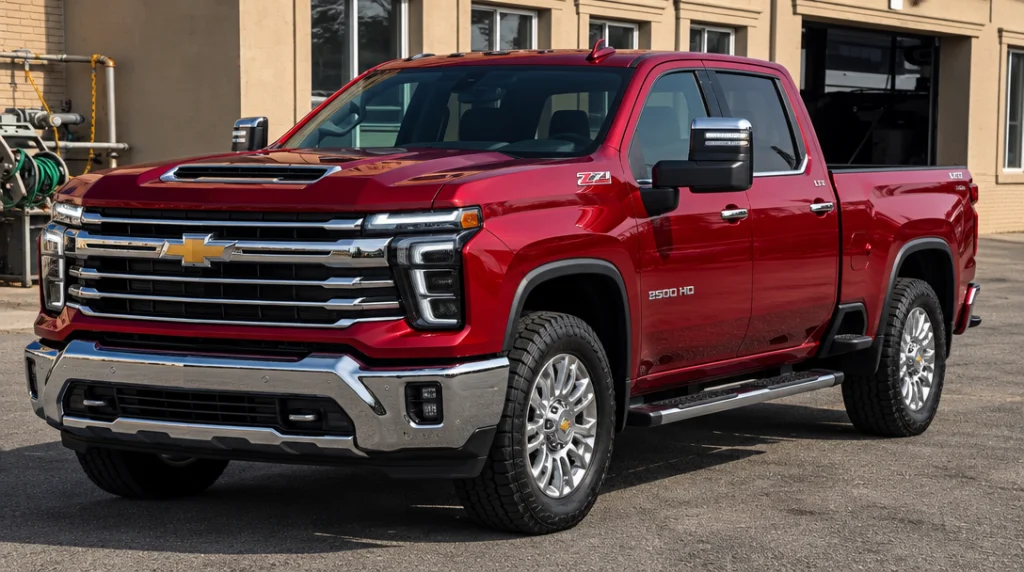
If the factory paint is very different from the new film color, those uncovered areas can remain visible when doors or panels are opened.
What Chicago Roads Mean for Color Shift PPF
Chicago-area driving exposes vehicles to road material throughout the year.
The Illinois Department of Transportation says its winter road operations rely mainly on rock salt along with liquid treatments such as salt brine. IDOT also notes that sand may be used for traction under certain winter conditions.
During FY2026 winter operations, IDOT reported using more than 357,500 tons of salt statewide through April 2026.
That material can mix with water, grime, and road debris before reaching lower body panels.
PPF can help shield covered paint, but it does not remove the need for washing.
Color Shift PPF in Chicago also does not protect unwrapped mechanical or underbody parts.
Film on the doors and rocker panels does not cover:
- Suspension components
- Brake components
- Exhaust parts
- Uncovered wheel wells
- Chassis hardware
- Other exposed surfaces beneath the car
Regular cleaning still matters during winter.
How to Care for Color Shift PPF
Follow the care instructions supplied for the specific film installed.
PPF brands may differ in their washing recommendations.
A safe starting routine usually means:
- Hand wash when possible
- Use clean microfiber towels
- Remove bird droppings promptly
- Remove bug residue promptly
- Do not scrub with abrasive materials
- Keep road salt from sitting on the vehicle for long periods
- Be careful with pressure washing near film edges
- Use products suitable for PPF
Some Color PPF products include hydrophobic topcoats designed to make dirt and water easier to wash away.
That does not make them maintenance-free.
A color-shifting finish can also show water spots differently under changing light.
Keeping the surface clean helps the color effect stay easy to see.
Can You Put Ceramic Coating Over Color Shift PPF?
Some PPF systems can be paired with coatings intended for film.
The exact product combination should be checked with the film manufacturer or installer.
A compatible ceramic coating can change water behavior and make routine cleaning easier.
The coating does not replace the PPF.
The PPF remains the thicker layer responsible for physical paint protection.
The coating sits at the surface.
If you are planning both services, ask about them before the film is installed so the products can be chosen as one system.
Can Color Shift PPF Be Removed Later?
Paint protection film is intended to be removable when applied to suitable automotive paint and removed using the film manufacturer’s procedures.
Factory paint in sound condition is the preferred surface.
Repainted panels deserve more attention.
If your vehicle has:
- Previous collision repair
- Repainted doors
- Repainted bumpers
- Peeling clear coat
- Failing paint
- Body filler
- Existing vinyl
tell the installer before scheduling Color Shift PPF in Chicago.
The condition beneath the film matters during installation and later removal.
A new color does not repair damaged paint.
If the vehicle has clear-coat defects that can be corrected safely, The Detail Dynasty also provides paint correction.
Which Cars Work Well With Color Shift PPF?
There is no single body style required for color shift film.
The effect can work on:
- Sports cars
- Performance sedans
- EVs
- Coupes
- SUVs
- Luxury cars
- Trucks
Vehicles with more curves can show more color variation because light hits each section at a different angle.
Flat-sided vehicles can create broader blocks of color.
Dark trim, black wheels, carbon-fiber pieces, and tinted glass can also change the overall appearance once the body color shifts.
Tesla owners interested in PPF can review The Detail Dynasty’s Tesla paint protection film service.
Drivers looking for a more consistent color change can compare that with the shop’s standard Color PPF service.
Color Shift PPF Installation
Installing Color Shift PPF in Chicago takes careful planning because film direction can affect appearance.
A color-shifting or metallic film may have a visual direction.
If adjoining panels are installed in conflicting orientations, one panel may appear different from the next.
The installer also has to work around:
- Body lines
- Bumpers
- Sensors
- Cameras
- Door handles
- Mirrors
- Spoilers
- Trim
- Wheel openings
- Recessed areas
Surface preparation matters too.
Dirt, wax residue, adhesive, or other contamination beneath the film can affect how it sits on the panel.
The Detail Dynasty performs PPF and vehicle protection work from its dedicated garage serving Skokie, IL & Chicago’s North Shore. A controlled indoor workspace gives the vehicle a cleaner setting for preparation, film placement, edge finishing, and inspection.
Is Color Shift PPF Better Than Repainting?
They are different approaches.
Paint permanently changes the painted surface.
Color PPF covers the existing finish with removable film.
For drivers who want to preserve original factory paint beneath a different appearance, PPF offers an option that paint does not.
PPF also provides a protective layer against smaller road hazards.
A paint job may make more sense when the existing paint needs body-shop repair or when the owner wants a permanent refinish.
Color Shift PPF in Chicago makes more sense for someone who likes the idea of keeping the original paint underneath while changing what the vehicle looks like from the outside.
Choosing a Color-Shift Finish
Color shift is difficult to judge from one photograph.
Before choosing a film, try to see:
- The film in direct sun
- The film in shade
- The film under indoor lighting
- The film against your paint
- Both front and side viewing angles
- A larger sample when available
A blue-purple film may look heavily blue in one setting and much more purple in another.
A bronze-green film might look dark gray when the sun is not hitting it directly.
The real question is: do you like every major shade the film produces, not just the color shown in the best photo?
That is a useful way to choose Color Shift PPF in Chicago without being surprised after a full-body installation.
Schedule Color Shift PPF in Chicago
Color Shift PPF in Chicago gives owners a way to protect factory paint while creating an appearance that changes as the vehicle moves through different lighting.
Depending on the product, the effect may come from metallic flake, interference layers, a dedicated color layer, or a combination of film technologies.
The finished result depends on:
- Film choice
- Original paint
- Gloss or satin finish
- Vehicle body shape
- Lighting
- Installation direction
- Amount of coverage
If you want a complete color conversion, full-body coverage will usually create the most consistent result.
If you only want accents, selected panels can create contrast against the factory paint.
The Detail Dynasty provides Color PPF and paint protection film from its professional garage serving Skokie, IL & Chicago’s North Shore.
To discuss Color Shift PPF in Chicago, call The Detail Dynasty at (773) 216-3104 or visit the contact page to schedule an appointment.
Color Shift PPF FAQs
1. How does Color Shift PPF in Chicago change color?
Color-shifting film uses visual effects created by its film construction. Depending on the product, this may involve metallic flake, interference effects, or a dedicated color-function layer. Light reflects differently as your viewing angle changes, causing different colors to become more visible.
2. Does Color Shift PPF protect against rock chips?
Yes, color-shifting PPF is made as paint protection film rather than standard styling vinyl. Manufacturers such as STEK describe their color-shifting PPF as rock-chip resistant. Severe impacts can still damage film and paint, so PPF should not be treated as impact-proof.
3. Does the original paint color change how Color Shift PPF looks?
It can. STEK states that the appearance of DYNOprism changes depending on the base color underneath. Other Color PPF may be more opaque. Ask about the specific film before choosing a color based on a photo of another vehicle.
4. Is Color Shift PPF the same as a color-shifting vinyl wrap?
No. Both can change a vehicle’s appearance, but PPF is built around a thicker protective polyurethane film. Vinyl is mainly used for styling. The exact thickness and protective properties depend on the product selected.
5. Can Color Shift PPF self-heal scratches?
Many products use self-healing topcoats that can reduce light swirl marks or fine scratches with heat. Deep cuts or punctures will not disappear and may require replacement of the damaged film panel.
6. Should Color Shift PPF cover the whole car?
It does not have to, but full-body coverage usually makes sense when the goal is a complete color change. Partial coverage can work when you intentionally want contrasting hoods, roofs, mirrors, or other accent panels.
7. Where can I schedule Color Shift PPF in Chicago?
Call The Detail Dynasty at (773) 216-3104 or visit the contact page. The Detail Dynasty provides Color PPF and paint protection film services from its dedicated garage serving Skokie, IL & Chicago’s North Shore.
Sources
STEK Color-Shifting PPF
- Title: DYNOprism Metal Flake Paint Protection Film
- Publisher: STEK USA
- Publication Date: Current product page, publication date not listed
- URL: STEK DYNOprism Paint Protection Film
STEK Color PPF Product Update
- Title: More PPF Colors Unlocked
- Publisher: STEK USA
- Publication Date: October 15, 2025
- URL: STEK More PPF Colors Unlocked
UPPF Color-Shift Film Construction
- Title: Cobia Magic Color PPF
- Publisher: UPPF USA
- Publication Date: Current product page, publication date not listed
- URL: UPPF Cobia Magic Color PPF
UPPF Color-Shift Film Example
- Title: Cobia Micafog Magic PPF
- Publisher: UPPF USA
- Publication Date: Current product page, publication date not listed
- URL: UPPF Cobia Micafog Color-Shift PPF
XPEL Color PPF
- Title: COLOR Paint Protection Film
- Publisher: XPEL
- Publication Date: Current product page, publication date not listed
- URL: XPEL COLOR Paint Protection Film
XPEL Color PPF Technical Information
- Title: Product Specifications
- Publisher: XPEL
- Publication Date: Current technical resource page, publication date not listed
- URL: XPEL Product Specifications
3M Paint Protection Film
- Title: Scotchgard Paint Protection Film Pro Series 200
- Publisher: 3M
- Publication Date: Current product page, publication date not listed
- URL: 3M Scotchgard Paint Protection Film Pro Series 200
Illinois Winter Road Treatment
- Title: Winter Road Conditions
- Publisher: Illinois Department of Transportation
- Publication Date: Current webpage, publication date not listed
- URL: Illinois Department of Transportation Winter Road Conditions
Illinois Winter Operations
- Title: Winter Weather Operations
- Publisher: Illinois Department of Transportation
- Publication Date: FY2026 data through April 2026
- URL: Illinois Department of Transportation Winter Weather Operations
