

Protect your car from highway debris with PPF in the North Shore and you’ll notice the difference where it matters most: your front bumper, hood edge, fenders, and mirrors. If you drive in Skokie, IL & Chicago’s North Shore, you already know the routine. You can be careful, keep distance, and still end up with new chips after a few highway trips behind trucks, construction traffic, and winter grit.
Paint Protection Film (PPF) is built for that exact problem. This guide explains how PPF helps, what to cover first, what a clean install looks like, and how to keep the film looking right year-round.
Table of contents
- What “highway debris” really does to your paint
- What PPF is and how it helps with rock chips
- Why Skokie, IL & Chicago’s North Shore driving makes the front end take hits
- Top benefits of PPF for highway debris
- Best areas to protect first
- Full front vs partial front vs full vehicle
- PPF vs ceramic coating for highway driving
- Prep matters: what to do before PPF
- What a clean PPF install should look like
- How to care for PPF after installation
- FAQs
- Next steps
- Sources
What “highway debris” really does to your paint
Highway debris is not one thing. It’s a mix of:
- tiny stones and grit kicked up by tires
- loose gravel from construction zones
- sand and salt residue in winter
- road tar and sticky residue
- bugs and organic fallout that bakes on during warm months
Most of the visible damage shows up in predictable spots:
- front bumper looks “peppered” with chips
- hood leading edge gets a line of pin-size chips
- front fenders take hits behind the headlights
- mirrors get chipped on the outer edge
- rocker panels and lower doors look sandblasted over time
If you want to slow this down without repainting panels every few years, PPF is one of the most direct ways to do it.
What PPF is and how it helps with rock chips
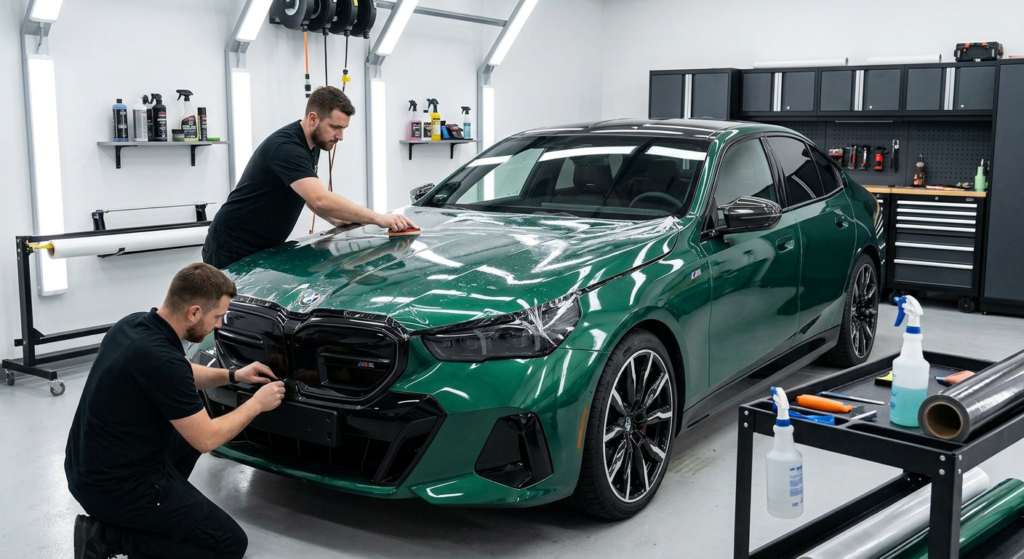
Paint Protection Film (PPF) is a clear polyurethane film applied to painted surfaces to help protect against stone chips, scratches, bug damage, road tar stains, automotive fluid stains, and outdoor weathering. That’s not marketing fluff. That’s how major manufacturers describe what PPF is designed to handle. :contentReference[oaicite:0]{index=0}
Think of PPF like a sacrificial layer:
- the film takes the hit
- the paint under it stays in better shape
This is why PPF is the go-to for highway debris. Wax can make paint look nice. Ceramic coating can help with wash days. PPF is the one made to deal with impacts.
Want to see PPF options at The Detail Dynasty?
- Paint Protection Film: https://thedetaildynasty.com/services/paint-protection-film/
Why Skokie, IL & Chicago’s North Shore driving makes the front end take hits
If you’re on highways and busy arterials often, your paint sees more debris. Add winter to the mix and it ramps up.
Illinois winter operations include treating roads with salt and salt brine, and IDOT notes bridges may be treated with brine multiple times per week in certain conditions. :contentReference[oaicite:1]{index=1}
That matters for Skokie, IL & Chicago’s North Shore because winter spray carries grit and salty residue into:
- bumper corners
- lower fenders
- rocker panels
- wheel arches
AAA also warns that winter road salt can accelerate undercarriage rust and points out that salt damage often happens where you don’t see it. :contentReference[oaicite:2]{index=2}
Even if your goal is paint appearance, the winter wash cycle is part of the story.
Top benefits of PPF for highway debris
1) Fewer rock chips on the front end
PPF is made to take the hits that would otherwise chip paint. A quality film on the bumper, hood, and fenders can reduce that “peppered” look that shows up fast on daily drivers.
2) Less stress around construction routes
Construction zones, dump trucks, and loose gravel are a reality across Skokie, IL & Chicago’s North Shore driving. PPF gives your paint a buffer when you can’t avoid the grit.
3) Protection against road tar and bug residue
Many PPF descriptions include road tar and bug damage as common threats. :contentReference[oaicite:3]{index=3}
That does not mean you leave bug splatter for weeks. It means cleanup is usually less risky than scrubbing directly on paint.
4) A cleaner look for longer
When your bumper and hood are protected, the vehicle tends to keep that “well-kept” look longer. This is a big deal if you plan to keep your car for years or you simply hate seeing new chips every season.
5) A strong base for other protection services
Many owners install PPF on impact areas, then add ceramic coating for easier washing across the rest of the vehicle. If you want that combo:
- Ceramic Coating: https://thedetaildynasty.com/services/ceramic-coating/
Best areas to protect first
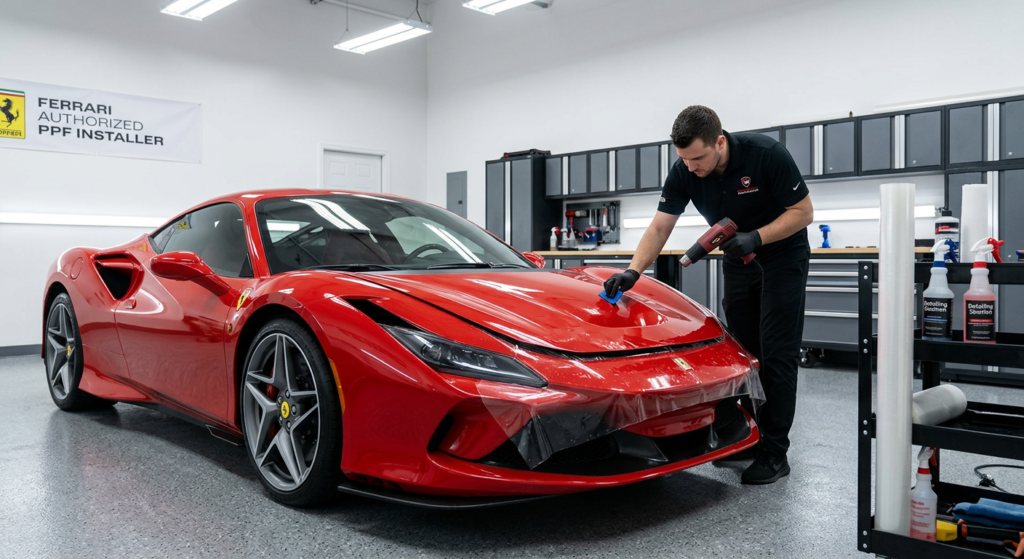
If you want to protect your car from highway debris with PPF in the North Shore and you’re prioritizing where your money goes, start here.
The “hit first” list
- Front bumper (chip magnet)
- Hood (at least the leading edge, often full hood)
- Front fenders (especially near the headlights)
- Mirror caps (outer edges take hits)
High-splash zones (great add-ons for daily drivers)
- Rocker panels
- Lower doors
- Rear impact area behind wheels (varies by vehicle shape)
High-contact spots (small pieces, big value)
- Door handle cups
- Door edges
- Trunk lip
If you want a protection plan that also changes the look, check:
- Color PPF: https://thedetaildynasty.com/services/color-ppf/
Full front vs partial front vs full vehicle
Coverage level is the biggest lever you control. The “right” option depends on how you drive in Skokie, IL & Chicago’s North Shore and what damage you’re trying to prevent.
Partial front
Good for basic chip protection on key zones. Often covers:
- bumper
- partial hood
- partial fenders
- mirrors (varies)
What to know: partial coverage can leave a transition line where the film ends, depending on pattern and paint color.
Full front
This is the most common choice for highway drivers because it targets the panels that take the most hits:
- full bumper
- full hood
- full fenders
- mirrors
- optional headlights and A-pillars
If your car sees highways often, full front is usually the cleanest “daily driver” solution.
Full vehicle
Chosen when you want film across most painted surfaces. Common for:
- brand new vehicles
- high-end vehicles
- long-term ownership plans
To compare package options at The Detail Dynasty:
- PPF Service Page: https://thedetaildynasty.com/services/paint-protection-film/
PPF vs ceramic coating for highway driving
Drivers in Skokie, IL & Chicago’s North Shore often compare these because both are called “paint protection,” but they solve different problems.
Pick PPF when the problem is impact
- rock chips
- sand and grit abrasion
- scuffs on high-wear areas
Pick ceramic coating when the problem is cleaning and gloss upkeep
- easier wash days
- stronger water beading
- less stuck-on road film
A very common plan:
1) PPF on impact areas
2) Ceramic coating on painted surfaces for easier care
Related pages:
- Paint Protection Film: https://thedetaildynasty.com/services/paint-protection-film/
- Ceramic Coating: https://thedetaildynasty.com/services/ceramic-coating/
Prep matters: what to do before PPF
PPF is clear. Whatever is on the paint can still be visible under the film:
- swirl marks
- haze
- water spots
- scratches
That’s why surface prep is such a big deal.
When paint correction makes sense before film
If your paint looks rough under lights or you see swirls in the sun, paint correction can clean up the finish before PPF goes on:
- Paint Correction: https://thedetaildynasty.com/services/paint-correction/
When a detail first is enough
If the paint is in good shape but dirty or contaminated, a proper exterior detail can be the right first step:
- Exterior Detailing: https://thedetaildynasty.com/services/exterior-detailing/
- Auto Detailing: https://thedetaildynasty.com/services/auto-detailing/
What a clean PPF install should look like
If you’re protecting your car from highway debris with PPF in the North Shore, you want the job to look clean up close, not just from across the lot.
Here’s what to look for:
Edges that don’t catch your eye
- smooth lines
- no jagged corners
- no lifting at bumper corners
Clean finish in the highest-visibility zones
- hood edge
- headlight area
- mirror caps
- bumper corners
Sensible seams and coverage choices
Some panels require seams based on shape and pattern. A good shop will explain why seams are placed where they are.
Installed indoors
Film is adhesive-based. Indoor installation supports cleaner results because the shop has more control over the environment.
The Detail Dynasty installs PPF from a dedicated garage studio serving Skokie, IL & Chicago’s North Shore:
- PPF: https://thedetaildynasty.com/services/paint-protection-film/
How to care for PPF after installation
PPF care is simple. The goal is to keep grit from building up and to wash in a way that doesn’t beat up the edges.
Wash basics that help
- Rinse heavy grit before touching the paint
- Use clean microfiber towels
- Avoid dragging a dirty towel across dry panels
- Keep winter salty film from sitting too long
Winter note: IDOT describes regular winter treatments like salt and brine, including frequent bridge treatment under certain conditions. :contentReference[oaicite:4]{index=4}
That’s why winter rinse habits matter in Skokie, IL & Chicago’s North Shore.
Maintenance help when life is busy
If you want a pro to keep the film looking right:
- Auto Detailing: https://thedetaildynasty.com/services/auto-detailing/
- Exterior Detailing: https://thedetaildynasty.com/services/exterior-detailing/
- Mobile Detailing: https://thedetaildynasty.com/services/mobile-detailing/
FAQs
1) Does PPF really stop rock chips?
PPF is designed to help protect against stone chips and similar road impacts, which is why manufacturers market it for that exact purpose. :contentReference[oaicite:5]{index=5}
2) Can PPF be installed on a used vehicle?
Yes. Many used vehicles get PPF after a paint cleanup step so the film looks clean on the panel.
3) Should I do PPF or ceramic coating first?
If highway debris and rock chips are the problem, do PPF first on impact zones. Then add ceramic coating if you want easier washing.
4) Will PPF hide swirl marks or scratches?
No. Film is clear. If you want the cleanest look, paint correction first is often the move:
- https://thedetaildynasty.com/services/paint-correction/
5) Does winter driving change the PPF plan?
Yes. Winter treatment like salt and brine means more gritty spray. IDOT notes bridges may be treated with brine multiple times per week in certain conditions. :contentReference[oaicite:6]{index=6}
For many drivers in Skokie, IL & Chicago’s North Shore, rocker panels and lower doors become good add-ons.
6) Can I wash my car normally after PPF?
Yes, with smart habits. Rinse grit first, use clean towels, and avoid harsh scrubbing on edges.
7) How do I schedule PPF in Skokie, IL & Chicago’s North Shore?
Call (773) 216-3104 or book here: https://thedetaildynasty.com/contact-us/
Next steps
If you’re ready to protect your car from highway debris with PPF in the North Shore, The Detail Dynasty serves Skokie, IL & Chicago’s North Shore from 5050 Dempster St, Skokie, IL 60077.
Call (773) 216-3104 or schedule here: https://thedetaildynasty.com/contact-us/
Helpful links:
- Paint Protection Film: https://thedetaildynasty.com/services/paint-protection-film/
- Paint Correction: https://thedetaildynasty.com/services/paint-correction/
- Ceramic Coating: https://thedetaildynasty.com/services/ceramic-coating/
- Color PPF: https://thedetaildynasty.com/services/color-ppf/
- Auto Detailing: https://thedetaildynasty.com/services/auto-detailing/
- Exterior Detailing: https://thedetaildynasty.com/services/exterior-detailing/
- All Services: https://www.thedetaildynasty.com/all-services
Sources
- Paint protection film | Post factory installation, 3M Canada, Publication Date: n.d. (page updated periodically)
- 3M™ Paint Protection Film PUL2012, 3M United States, Publication Date: n.d. (page updated periodically)
- Winter Road Conditions, Illinois Department of Transportation (IDOT), Publication Date: n.d. (page updated periodically)
- AAA Warns Drivers: Winter Road Salt Can Cause Hidden Vehicle Damage, AAA – The Auto Club Group, Publication Date: February 18, 2026
